Calming herbs, graded by what was tested
Most articles about calming teas cite studies of concentrated extracts. We sort each herb by the form that was actually tested, then list the traditional tea amount and the cautions.
| Herb | Evidence | Traditional tea amount (EU) | Teas in index |
|---|---|---|---|
| Chamomile | Tested as tea | 1.5–4 g per 150 ml | 29 |
| Lemon balm | Extract trials only | 1.5–4.5 g per 150 ml | 7 |
| Lavender | Tested as tea | 1–2 g per 150 ml | 10 |
| Passionflower | Tested as tea | 1–2 g per 150 ml | 10 |
| Valerian root | Mixed results | 0.3–3 g per 150 ml | 4 |
| Linden flower | Traditional use only | 1.5 g per 150 ml | 7 |
| Hops | Extract trials only | 0.5–1 g per 150–200 ml | 2 |
| L-theanine (green tea) | Extract trials only | none listed | 0 |
| Ashwagandha | Extract trials only | none listed | 2 |
| Licorice root | Caution ingredient | none listed | 8 |
| St John's wort | Caution ingredient | none listed | 1 |
| Kava | Caution ingredient | none listed | 0 |
Tested as tea
At least one controlled human trial gave this herb as a tea.
-
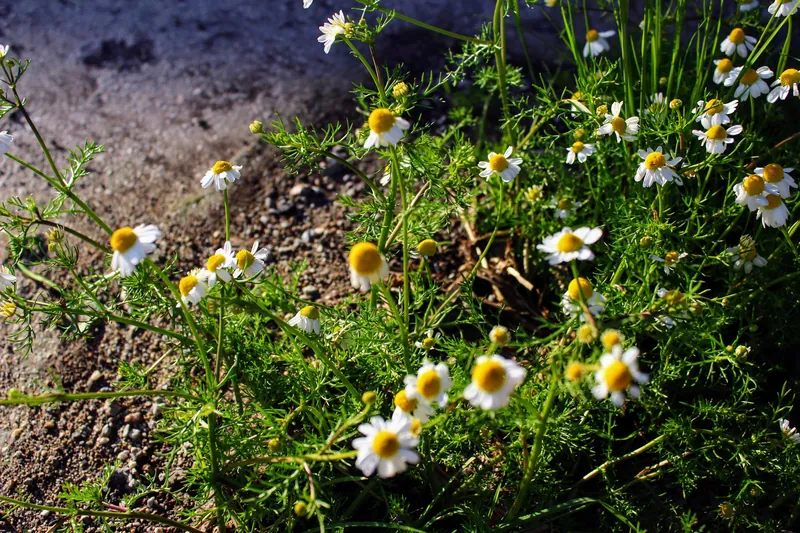
Chamomile Tested as tea
The most common calming-tea ingredient. Trials of chamomile tea are few and small, the one placebo-tea trial we found showed no anxiety benefit, and the EU herbal monograph lists no calming or sleep use at all.
29 teas in the index contain it.
-
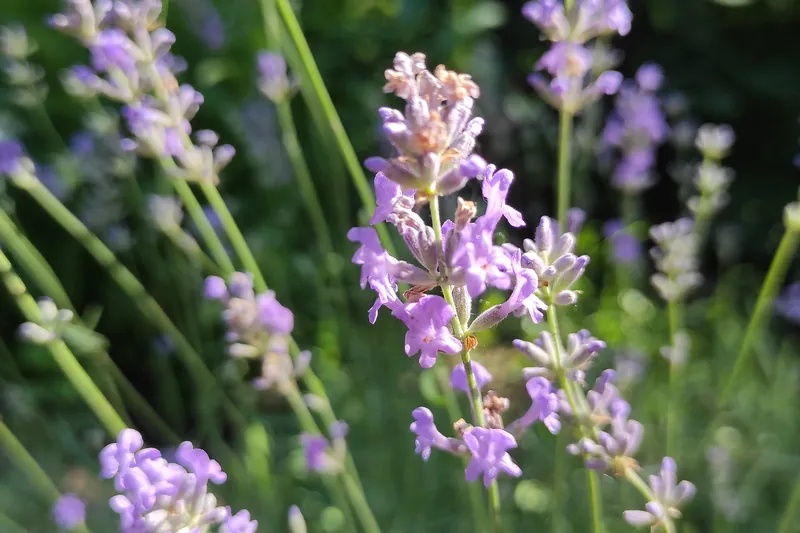
Lavender Tested as tea
Lavender tea has been tested in three small trials that all compared it with no drink at all. The strongest anxiety evidence is for a lavender-oil capsule, which is a different product.
10 teas in the index contain it.
-
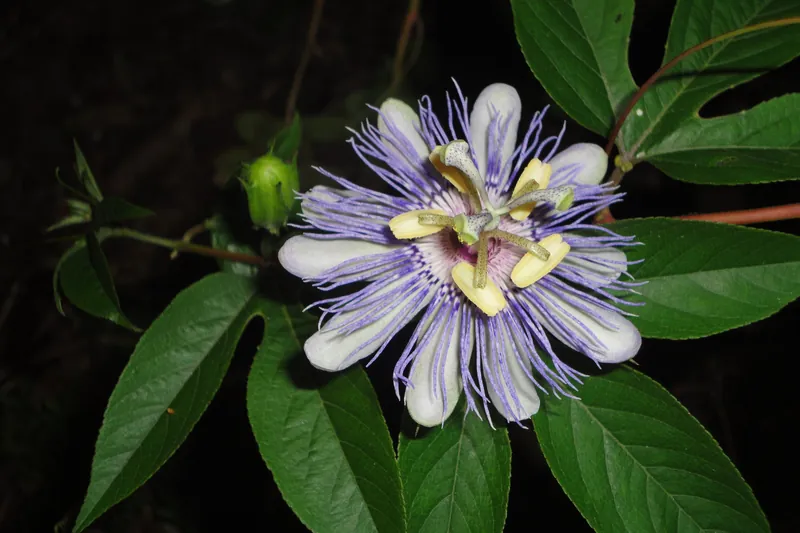
Passionflower Tested as tea
One of the few herbs tested as a tea against a placebo tea, with a small positive result for sleep quality. It should not be used in pregnancy.
10 teas in the index contain it.
Extract trials only
Human trials exist, but they used extracts, capsules or supplements, not tea.
-
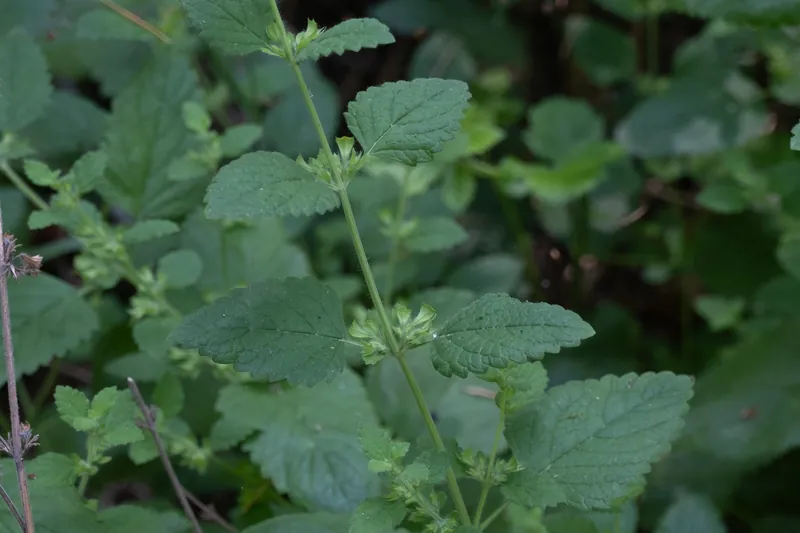
Lemon balm Extract trials only
A lemony mint-family herb with traditional EU recognition for stress and sleep. The positive trials mostly used extracts or unspecified preparations; we found no controlled trial of lemon balm tea for anxiety or sleep.
7 teas in the index contain it.
-
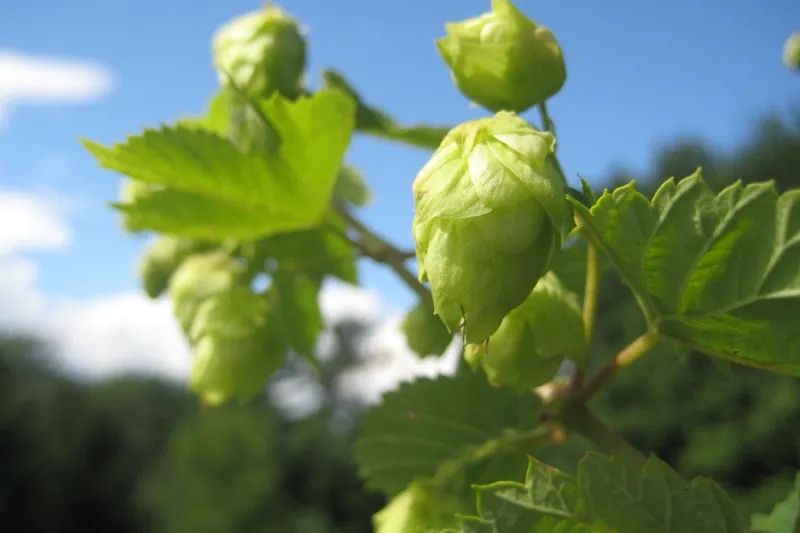
Hops Extract trials only
Better known from beer, hops appear in several sleep blends. Human evidence comes from tablets that combine hops with valerian, so the effect of hops alone is unknown.
2 teas in the index contain it.
-
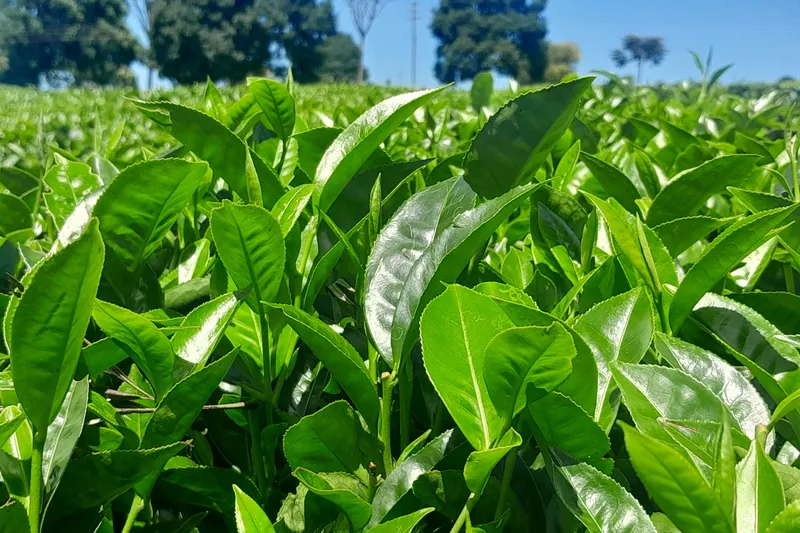
L-theanine (green tea) Extract trials only
The amino acid behind green tea's 'calm focus' reputation. Trials use 200–400 mg supplements; green tea itself also contains caffeine.
0 teas in the index contain it.
-
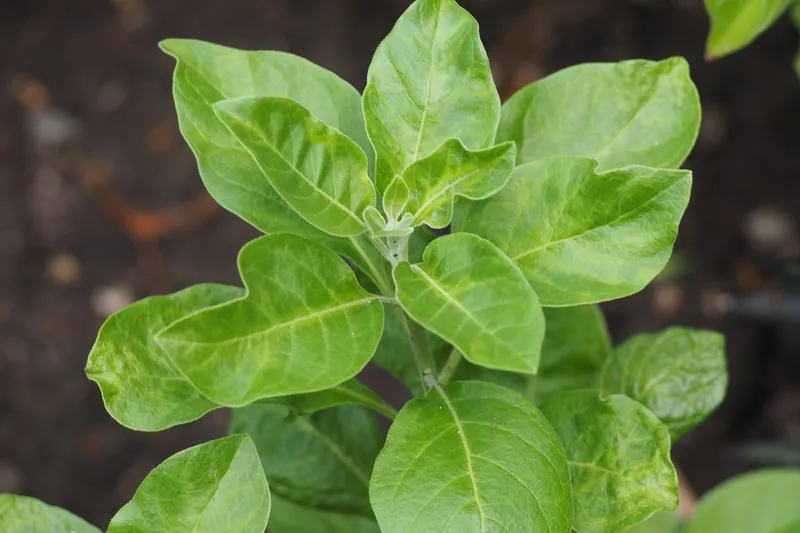
Ashwagandha Extract trials only
An Ayurvedic root now common in 'stress' teas. The trials use concentrated extracts, often 600 mg/day or more for weeks, and the cautions list is long.
2 teas in the index contain it.
Mixed results
Many trials, inconsistent results; recent reviews are not convincing.
-
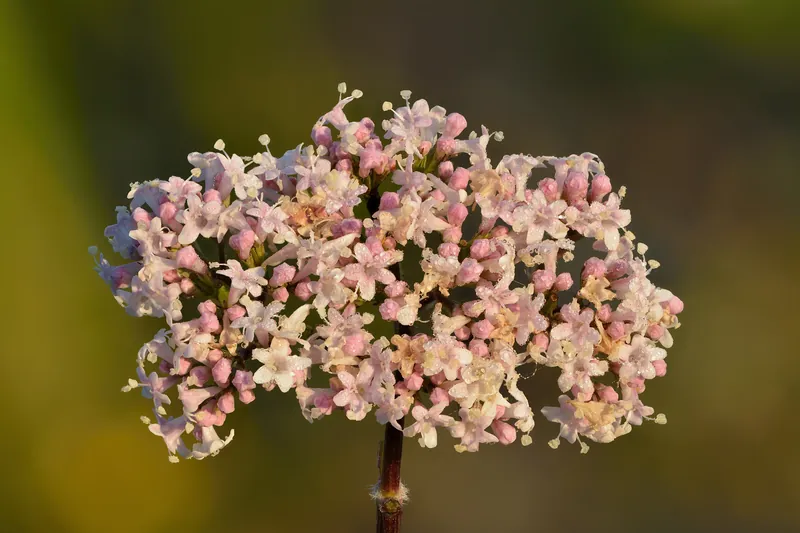
Valerian root Mixed results
The classic 'sleep herb', with the most trials and the least consistent results. Recent reviews find no reliable benefit for insomnia, and we found no trial of valerian tea itself.
4 teas in the index contain it.
Traditional use only
Recognized by long use (EU monograph); we found no human trials.
-
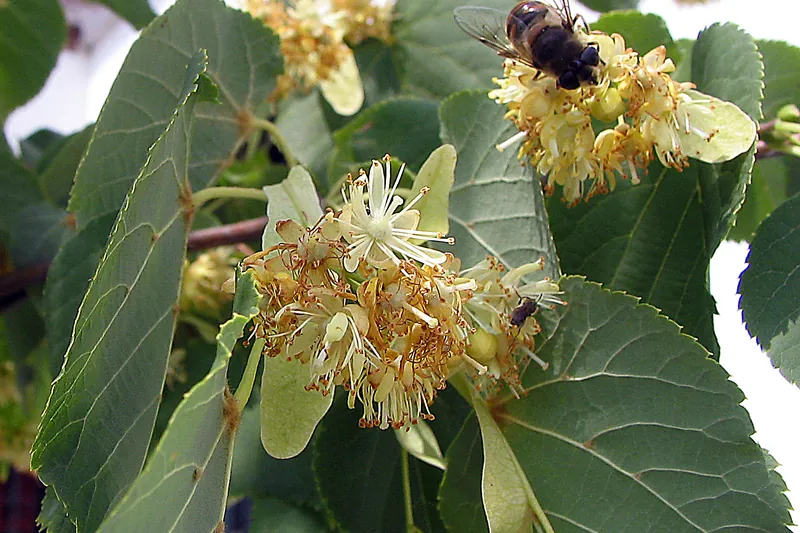
Linden flower Traditional use only
A mild, honeyed flower in many bedtime blends, including Sleepytime. The EU recognizes it for mild stress on the basis of long use, but we found no human trials.
7 teas in the index contain it.
Caution ingredient
Listed for its safety profile rather than calming evidence.
-
Licorice root Caution ingredient
Used in many blends for sweetness, not calm. It earns a caution flag because its glycyrrhizin can raise blood pressure and disturb heart rhythm.
8 teas in the index contain it.
-
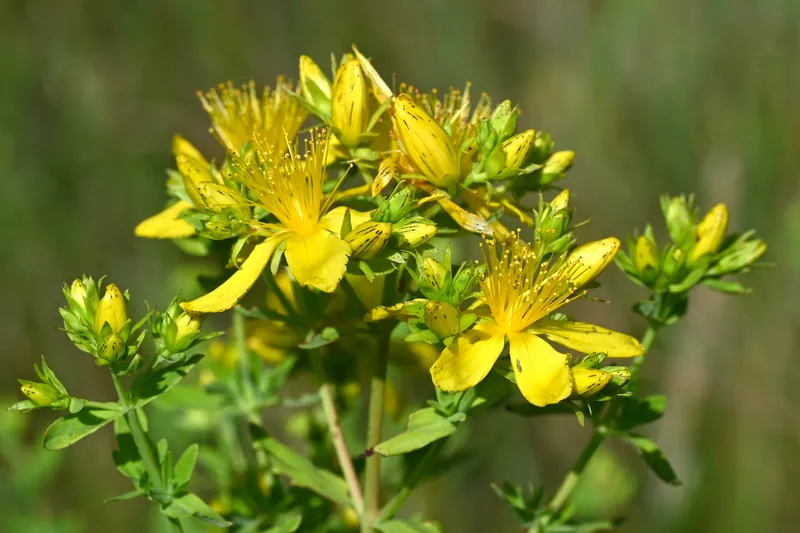
St John's wort Caution ingredient
Not a typical tea herb, but it turns up in some 'calm' blends. It weakens many prescription drugs, including birth control, so it's the most important flag in this index.
1 teas in the index contain it.
-
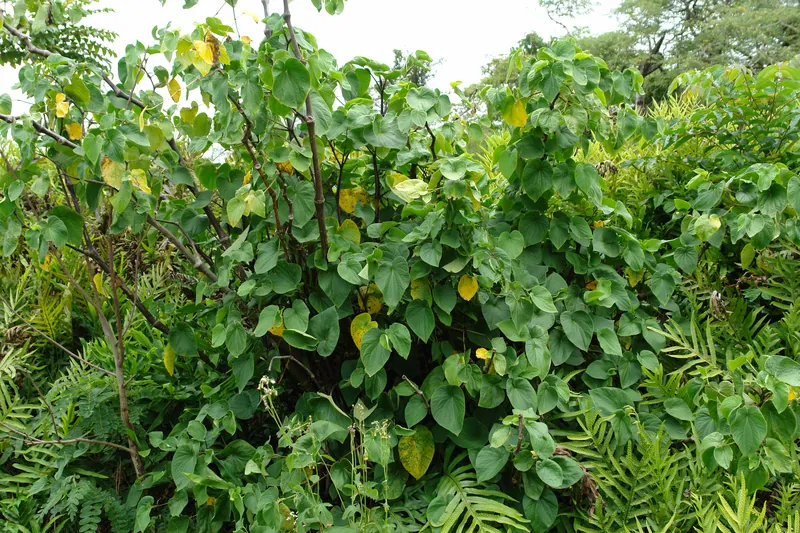
Kava Caution ingredient
Kava has anxiety-trial evidence as an extract, but also rare, sometimes serious liver injury, including from water-based kava drinks. We list it for awareness; the product index excludes it.
0 teas in the index contain it.