Herb record · Fabaceae
Licorice root in tea: cautions and interactions
Reviewed
Used in many blends for sweetness, not calm. It earns a caution flag because its glycyrrhizin can raise blood pressure and disturb heart rhythm.
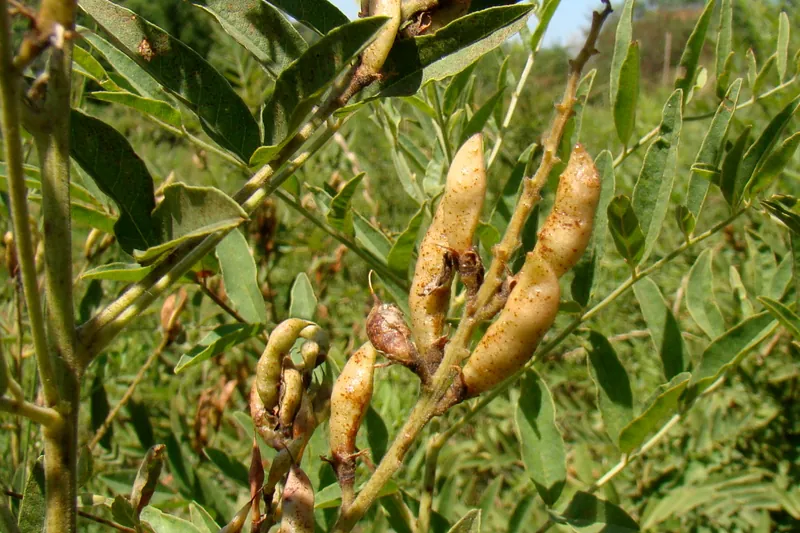

At a glance
- Latin name
- Glycyrrhiza glabra
- Evidence
- Caution ingredient Listed for its safety profile rather than calming evidence.
- EU tea amount
- The EU monographs we use list no tea preparation for this herb.
- Cautions
- Licorice: blood pressure & heart caution
- In our index
- 8 teas
Who should be careful with licorice root?
- Licorice: blood pressure & heart caution. Glycyrrhizin can cause serious effects such as irregular heartbeat, mainly with large amounts or long-term use; even small amounts have been linked to severe effects in people with high blood pressure, heart or kidney conditions, or high salt intake. Interactions with corticosteroids have been reported. (NCCIH fact sheet)
This list repeats what the cited sources say; it isn't a complete interaction check. A pharmacist can check your specific medicines.
Which calming teas contain licorice root?
-
Bigelow Stress Free Rose & Mint
Chamomile, Passionflower, Licorice root
-
Buddha Teas Sleepy Temple Blend
Chamomile, Lavender, Licorice root
-
Celestial Seasonings Honey Vanilla Chamomile
Chamomile, Licorice root
-
Celestial Seasonings Tension Tamer
Chamomile, Linden flower, Hops, Licorice root
-
Numi De-Stress
Lemon balm, Passionflower, Licorice root
-
The Republic of Tea Rest
Chamomile, Lemon balm, Lavender, Passionflower, Licorice root
-
Traditional Medicinals Cup of Calm
Chamomile, Lavender, Passionflower, Licorice root
-
Traditional Medicinals Nighty Night Extra
Lemon balm, Passionflower, Valerian root, Licorice root
Sources
- NCCIH (NIH). Licorice Root, updated April 2025.
Government fact sheet
Glycyrrhizin in licorice can cause serious adverse effects such as irregular heartbeat, especially in large amounts or long-term use; even small amounts have been linked to severe effects in people with high blood pressure, heart or kidney conditions, or high salt intake. Interactions with corticosteroids reported.
checked against the official page, 2026-10-21