Safety
Calming tea cautions: the ingredients worth checking
Published · By Calm Teas (how we work)

Key takeaways
- St John's wort, found in at least one 'calm' blend, weakens many medicines, including birth control and some antidepressants.
- Licorice root, common in bedtime blends for sweetness, can raise blood pressure and affect heart rhythm.
- Sedating herbs like valerian and passionflower shouldn't be stacked with alcohol or sedative drugs.
- Some 'sleep' teas contain melatonin. Read the label.
- This is a checklist, not an interaction checker. A pharmacist can check your medicines.
Can herbal tea interact with medication?
Yes, some can. Herbal teas are usually milder than supplements, but a few ingredients found in calming blends have well-documented cautions. The list below covers the ones we flag in the tea decoder, with what official sources say.
Which calming-tea ingredients have the biggest cautions?
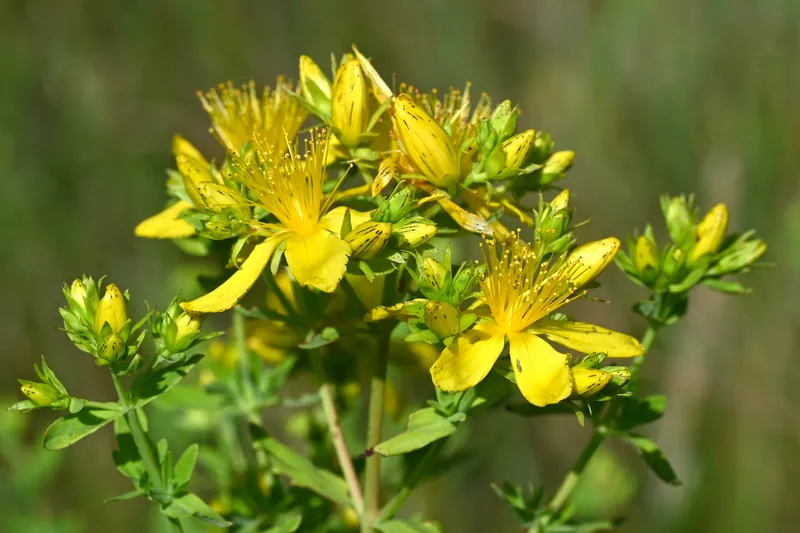
St John’s wort. It can weaken the effects of many medicines, including some antidepressants, birth control pills, cyclosporine, some seizure, heart, HIV and cancer drugs, warfarin and certain statins. With serotonin-affecting drugs it may cause serious side effects (NCCIH fact sheet). A clinical review lists it among supplements with clinically important interactions (Asher et al., 2017). One blend in our index contains it: Buddha Teas Calm Buddha Blend.
Licorice root. Added to many blends for sweetness. Its glycyrrhizin can cause serious effects such as irregular heartbeat, mainly with large amounts or long-term use. Even small amounts have been linked to severe effects in people with high blood pressure, heart or kidney conditions, or high salt intake (NCCIH fact sheet).
Kava. Linked to rare, sometimes serious liver injury, including from kava drinks made with water, and shouldn’t be combined with sedatives or alcohol (NCCIH fact sheet). None of the teas in our index list kava.
Ashwagandha. Avoid in pregnancy and breastfeeding. Possible interactions with diabetes, blood-pressure, thyroid, sedative, anti-seizure and immunosuppressant medicines (NCCIH fact sheet).
Which ones mainly matter if you take sedatives or drink alcohol?
Valerian shouldn’t be combined with alcohol or sedatives (NCCIH fact sheet). Passionflower can cause drowsiness and may interact with anesthesia; tell your clinician if you use it within two weeks of surgery. It also should not be used in pregnancy (NCCIH fact sheet).
What about chamomile?
Usually mild, but allergic reactions are more likely in people allergic to ragweed or daisies, and interactions with warfarin have been reported (NCCIH fact sheet) (Tan & Lee, 2021).
Do some sleep teas contain melatonin?
Yes. Two teas in our index list melatonin. NCCIH says there isn’t enough evidence to recommend melatonin for chronic insomnia, short-term use appears safe for most people, and people taking medicines should check with a provider first (NCCIH fact sheet).
Is calming tea safe in pregnancy?
For most calming herbs, safety in pregnancy hasn’t been established; the EU monographs generally don’t recommend them for that reason (EU herbal monograph). Passionflower and ashwagandha should be avoided (NCCIH fact sheet) (NCCIH fact sheet). We haven’t published a pregnancy guide because the topic needs qualified clinical review. Ask your midwife, doctor or pharmacist.
Use this as a checklist
This page repeats official cautions for specific ingredients. It is not a complete list and can’t tell you whether a tea is safe with your medicines. A pharmacist can, usually for free.
Sources
- NCCIH (NIH). St. John's Wort, updated May 2025.
Government fact sheet
Can weaken the effects of many medicines, including some antidepressants, birth control pills, cyclosporine, some seizure, heart, HIV and cancer drugs, warfarin and certain statins. With serotonin-affecting drugs it may cause serious serotonin-related side effects.
checked against the official page, 2026-10-21 - Asher et al. (2017). Common Herbal Dietary Supplement-Drug Interactions. Am Fam Physician.
Review · form: supplement
Clinical review of herb–drug interactions. St John's wort and goldenseal cause clinically important interactions; valerian is listed among supplements with a low likelihood of interactions.
Limits: About supplements; 2017.
checked against the abstract, 2026-10-21 · PMID 28762712 - NCCIH (NIH). Licorice Root, updated April 2025.
Government fact sheet
Glycyrrhizin in licorice can cause serious adverse effects such as irregular heartbeat, especially in large amounts or long-term use; even small amounts have been linked to severe effects in people with high blood pressure, heart or kidney conditions, or high salt intake. Interactions with corticosteroids reported.
checked against the official page, 2026-10-21 - NCCIH (NIH). Kava, updated April 2025.
Government fact sheet
Kava products have been linked to rare cases of liver injury, some serious or fatal, including some kava beverages prepared with water. Should not be combined with sedatives such as benzodiazepines or alcohol.
checked against the official page, 2026-10-21 - NCCIH (NIH). Valerian, updated May 2025.
Government fact sheet
Evidence for sleep is inconsistent; the American Academy of Sleep Medicine (2017) recommended against valerian for chronic insomnia. Generally safe short-term for most adults; side effects include headache, stomach upset and vivid dreams; very rare liver injury, mostly with other herbs. Should not be combined with alcohol or sedatives. Little is known about pregnancy and breastfeeding.
checked against the official page, 2026-10-21 - NCCIH (NIH). Passionflower, updated April 2025.
Government fact sheet
Small amount of research suggests oral passionflower might reduce anxiety and might improve total sleep time in insomnia. May be safe as a tea for up to 7 nights. Side effects include drowsiness, dizziness, confusion. May interact with anesthesia; should not be used during pregnancy.
checked against the official page, 2026-10-21 - NCCIH (NIH). Chamomile, updated November 2024.
Government fact sheet
Preliminary studies suggest a chamomile supplement might help generalized anxiety disorder. Very little information on insomnia. Allergic reactions more likely in people allergic to ragweed or daisies, including rare anaphylaxis. Interactions with warfarin and some liver-metabolized drugs have been reported. Little is known about pregnancy and breastfeeding.
checked against the official page, 2026-10-21 - Tan & Lee (2021). Warfarin and food, herbal or dietary supplement interactions: A systematic review. Br J Clin Pharmacol.
Systematic review (interactions) · form: mixed
78 foods, herbs and supplements reported to interact with warfarin. Chamomile tea and green tea are among those the authors list as raising bleeding risk.
Limits: Much of the underlying evidence is case reports.
checked against the abstract, 2026-10-21 · PMID 32478963 - NCCIH (NIH). Ashwagandha, updated March 2023.
Government fact sheet
Some preparations may help insomnia and stress; unclear for anxiety. Rare liver injury cases. Avoid in pregnancy and breastfeeding; not recommended with autoimmune or thyroid disorders; possible interactions with diabetes, blood-pressure, immunosuppressant, sedative, anti-seizure and thyroid medicines.
checked against the official page, 2026-10-21 - NCCIH (NIH). Melatonin: What You Need To Know, updated May 2024.
Government fact sheet
There isn't enough evidence on the effectiveness and safety of melatonin for chronic insomnia to recommend it. Short-term use appears safe for most people; long-term safety data are lacking. People taking medicines should check with a health care provider; parents should speak with a provider before giving melatonin to children.
checked against the official page, 2026-10-21 - European Medicines Agency, HMPC. Community herbal monograph on Melissa officinalis L., folium (EMA/HMPC/196745/2012).
Regulatory monograph
Traditional use for mild symptoms of mental stress and to aid sleep, and mild digestive complaints. Tea: 1.5–4.5 g in 150 ml boiling water, 1–3 times daily; over 12 years. Pregnancy and lactation use not recommended for lack of data.
checked against the official document, 2026-10-21
Related guides
Which tea is best for sleep? What the evidence actually supports
Passionflower, chamomile, valerian or lavender? We compare bedtime teas by what was tested as tea, not as an extract, plus cautions and how to choose a box.
Tea for anxiety: what helps, what's hype, and when tea isn't enough
Chamomile, lemon balm, lavender, passionflower: which calming teas have anxiety evidence, what form was tested, the cautions, and when to get real help.
Tea or extract? Why most calming-tea studies didn't test tea
Many pages cite extract and capsule trials as proof a calming tea works. Here's how to tell the difference, and which herbs have actually been tested as tea.